
Biosolids in Agriculture: Separating the Facts from the Misconceptions
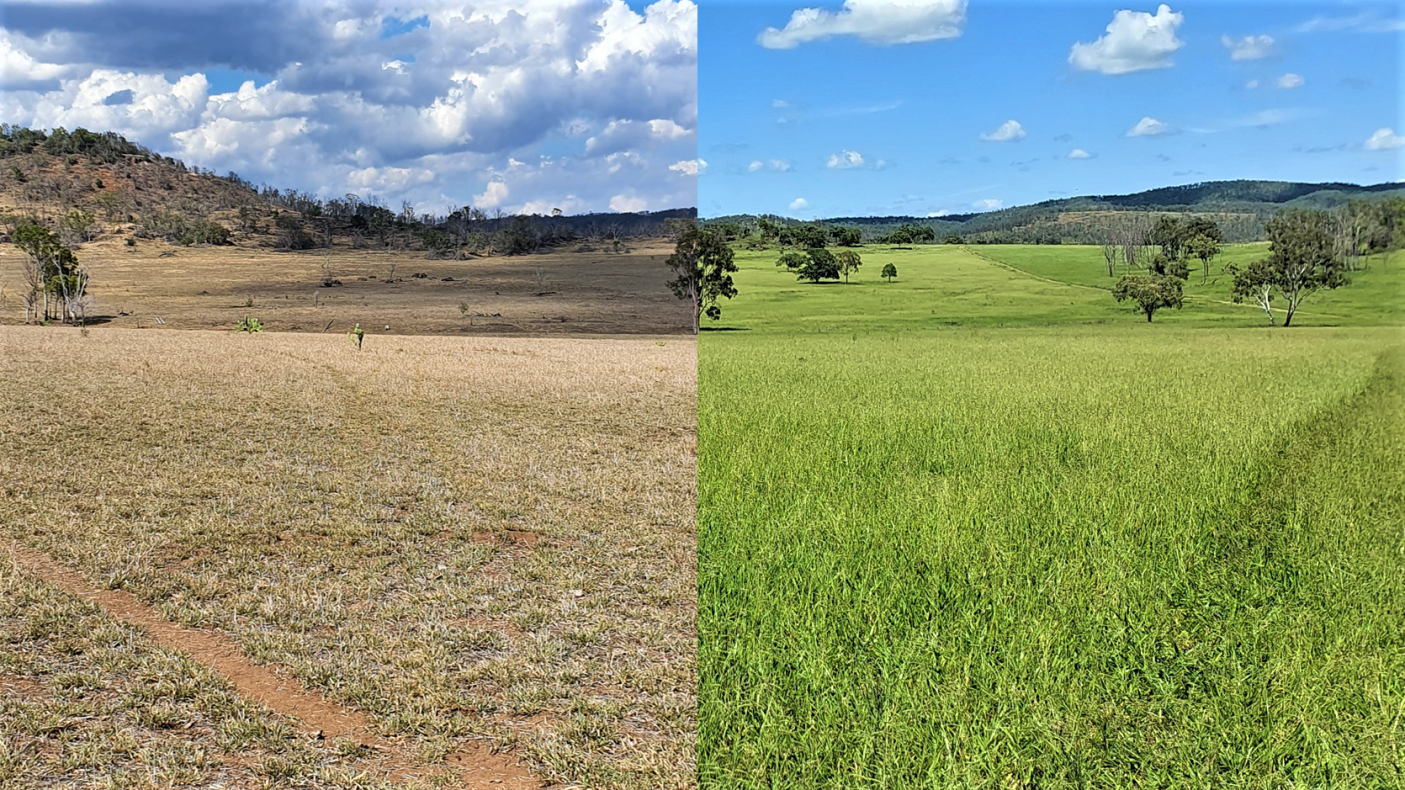
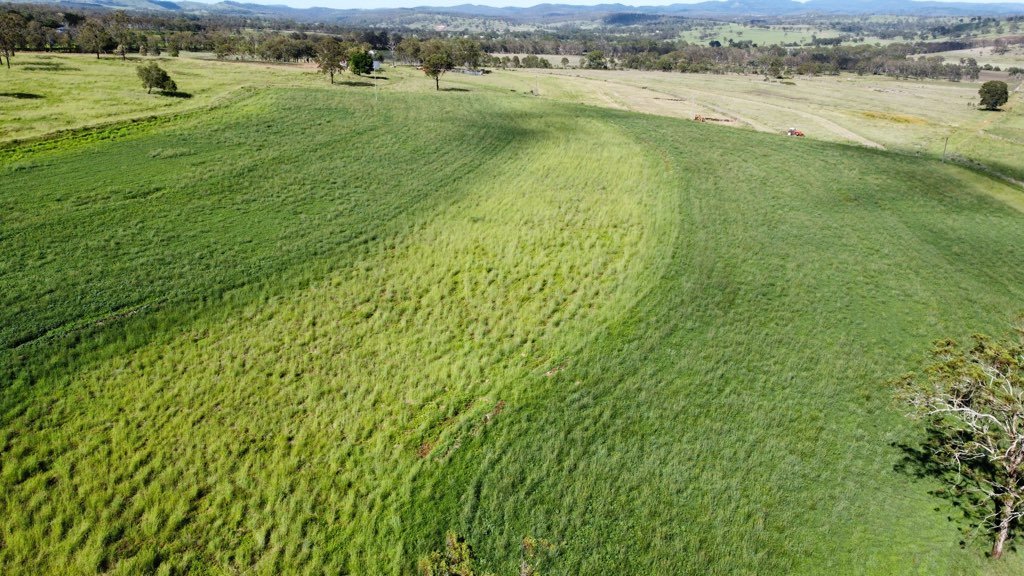
The same agricultural landscape before and after biosolids application and wet season.
When people first hear that biosolids are used on agricultural land, it is natural for them to have questions.
What exactly are biosolids? Are they safe? What do they contain? Could they affect neighbouring properties, waterways or agricultural markets?
These are reasonable questions, and they deserve clear answers.
The fact is that biosolids have been beneficially used in Australian agriculture for decades, returning nutrients and organic matter recovered during wastewater treatment to productive soils. But misconceptions about what biosolids are and how they are managed continue to create uncertainty.
So, let’s start with the basics.
What are biosolids?
To answer this, we have to start with what biosolids are not - biosolids are not raw sewage.
Biosolids are actually the stabilised organic solids produced through wastewater treatment. Queensland legislation specifically distinguishes biosolids from untreated wastewater sludge, defining them as stabilised organic solids produced by wastewater treatment processes.
Wastewater entering a treatment plant contains water, organic material and other substances from homes and businesses. During treatment, microorganisms break down much of the organic material. The remaining solids are then separated, treated and stabilised to reduce pathogens, odour and any volatile organic matter.
Only after this treatment - and once the material has been thoroughly tested and meets the relevant management requirements - can it be described and managed as biosolids.
Depending on the treatment process, biosolids may be produced as a dewatered cake, dried material, pellets, lime-amended end-product, or compost.
This distinction matters.
Untreated sludge is a waste requiring further treatment. Biosolids are a treated and regulated resource that may be suitable for beneficial use.
Why are biosolids used in agriculture?
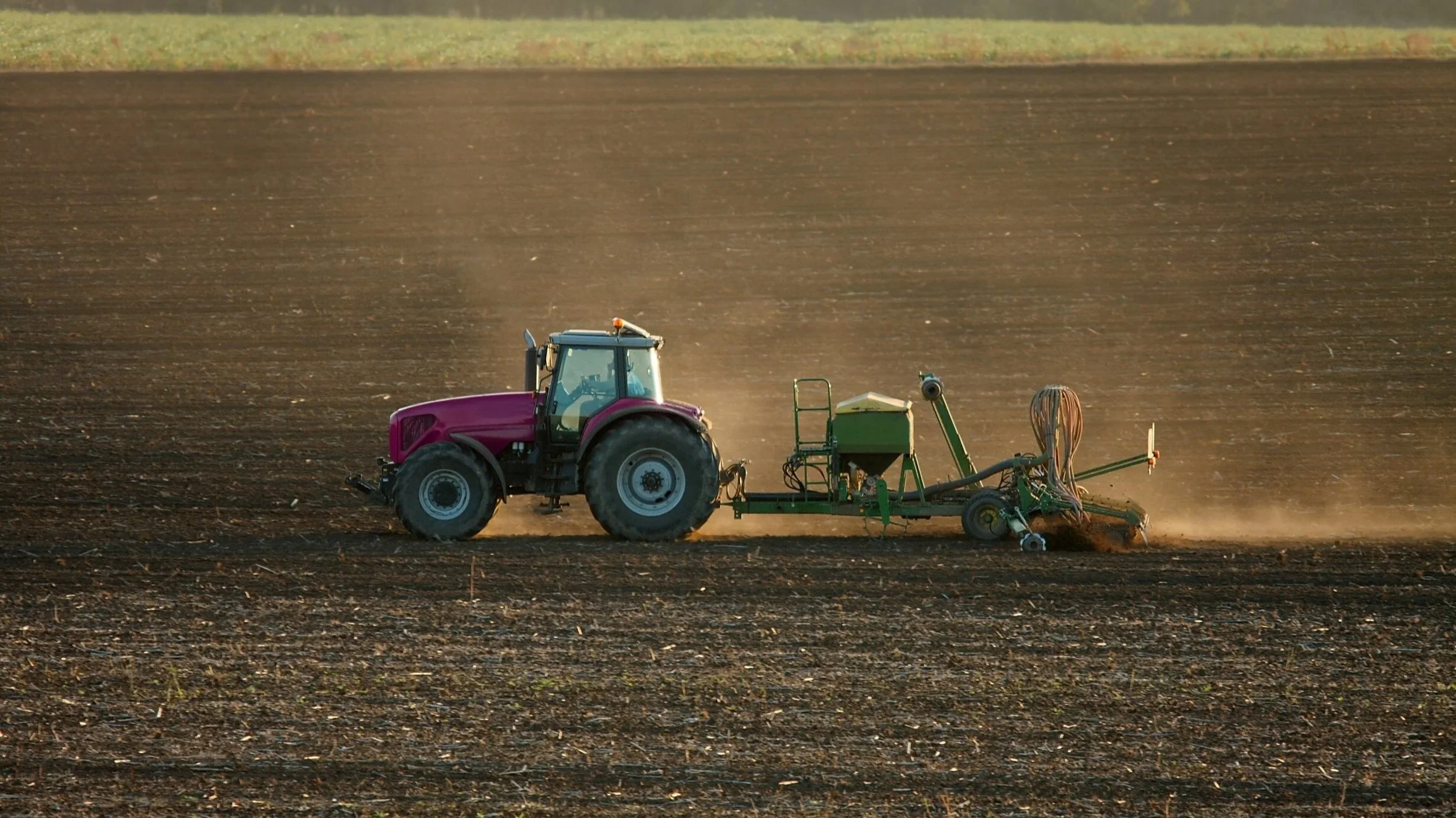
Wastewater treatment captures nutrients that originally came from food, plants, animals and other organic materials. Rather than disposing of those nutrients, biosolids allow them to be returned to the soil.
Biosolids typically contain valuable plant nutrients, including:
nitrogen
phosphorus
sulphur
calcium
magnesium
potassium
trace elements such as copper, iron, manganese, molybdenum and zinc.
Importantly, they also contain organic matter and organic carbon
This combination of nutrients, organic matter and organic carbon is valuable because biosolids can provide more than a short-term burst of crop nutrition. Longer term, organic matter can help improve soil structure, infiltration, water-holding capacity, nutrient retention and microbial activity.
As a result, biosolids can help landholders in a number of ways:
replenishing nutrients removed from the soils through agricultural production
reducing reliance on synthetic fertilisers
building soil organic matter
improving the soil’s ability to retain water and nutrients
supporting pasture and crop productivity
keeping valuable resources on-farms and in productive use rather than sending them to landfill.
The value of biosolids does not come from using them as a direct substitute for every fertiliser input. Biosolids are naturally low in some nutrients - particularly potassium - and their nutrient profile can be variable depending on their source and treatment.
To extract real value from biosolids we need to understanding what is in them, what is already in the soil, and what the intended crop or pasture requires to thrive. That’s why responsible biosolids use should always begin with a soil assessment.
Do biosolids release all their nutrients at once?
No. A significant proportion of the nitrogen in biosolids is commonly held in an organic form. Once biosolids are incorporated into the soil, microorganisms gradually convert - or mineralise - some of that organic nitrogen into forms plants can use. This creates a much slower nutrient-release pattern than highly soluble fertilisers.
A detailed nutrient study undertaken by Verterra Ecological Engineering on Queensland biosolids found that approximately 92 per cent of the nitrogen was present in organic form, with only small amounts immediately available as ammonium or nitrate.
The same study found that biosolids supplied nitrogen and phosphorus over an extended period, with Australian crop trials estimating that one appropriately calculated application could provide agronomic value comparable to one or two years of manufactured fertiliser, depending on the crop, soil and seasonal conditions.
This does not mean biosolids should be applied without considering future nutrient release. But it does means that nutrient planning must account for both the nutrients available immediately, and those likely to become available over time.
Are biosolids safe?
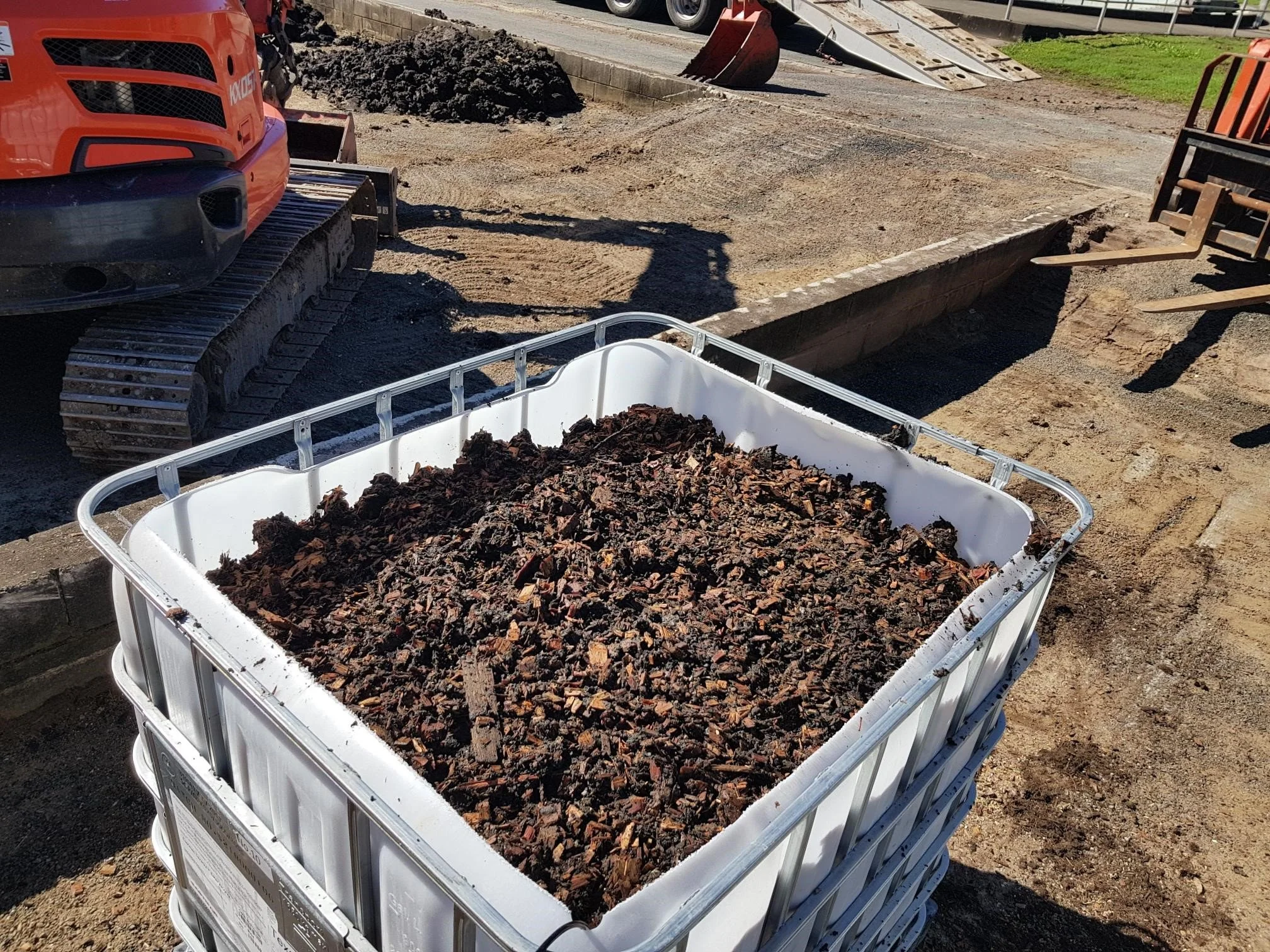
Biosolids suitable for agricultural use must undergo extensive treatment, testing and classification.
Treatment methods vary but may include processes such as:
aerobic or anaerobic digestion
composting
lime stabilisation
pasteurisation
drying or dewatering.
These processes are used to stabilise the material, reduce pathogens and make the product suitable for its intended use.
Biosolids are then assessed for factors including:
pathogen levels
metals and other chemical contaminants
nutrient concentrations
stabilisation
physical characteristics
compliance with applicable regulatory requirements.
Not every biosolids product can be used for every purpose. Classification determines where and how a product may be used, and there are restrictions or withholding periods that may apply depending on the biosolids class, land use, crops and livestock involved.
National biosolids guidance is designed to support beneficial use of biosolids, while minimising risks to public health and the environment. State requirements provide the controls applying to individual projects and locations.
What about contaminants?
Wastewater reflects what households, businesses and industries put into the sewerage system. As a result, biosolids can contain trace concentrations of metals and other compounds, but that is precisely why extensive testing and regulations are essential. Many of the ‘trigger’ contaminants that garner headlines, such as PFAS and Cadmium, are actually common ingredients in household items like sunscreen or toothpaste – and often in much higher levels than those found in biosolids.
Biosolids quality is assessed against contaminant limits and the results influence how the material is classified and whether it is suitable for agricultural use. Application rates and total site loadings must also be managed so that biosolids provide an agronomic benefit without causing unacceptable accumulation of contaminants in the soil.
Improved wastewater treatment and tighter controls on industrial discharges have reduced many traditional contaminant concentrations over time. At the same time, the industry continues to investigate emerging contaminants, including PFAS and microplastics.
It would be misleading to say that biosolids contain nothing except nutrients and organic matter. The more accurate position is that potential contaminants are identified, tested and managed through source controls, treatment, classification, site selection and regulated application practices.
Responsible biosolids management depends on testing and following the evidence as regulatory requirements continue to evolve.
Will biosolids create odour?
Biosolids may have an odour, particularly during transport, spreading and incorporation. However, this does not mean significant or prolonged odour impacts are inevitable.
Odour can be reduced through:
appropriate treatment and stabilisation
careful selection of transport and application times
consideration of weather and wind conditions
maintaining suitable separation distances from neighbours
carrying out efficient spreading and prompt incorporation into the soil where possible
clear communication setting expectations with nearby residents.
Some odour may occur during application, but good planning should make it temporary and minimise its effect on neighbouring communities.
However, odour management should not be treated simply as a regulatory exercise. It is an important part of respecting neighbouring landholders and maintaining community confidence.
Can biosolids affect crops, livestock or market access?
Agricultural use must be matched to the biosolids classification, site conditions and intended land use.
Depending on the applicable requirements, restrictions may govern:
the types of crops that can be grown
the time between application and grazing
access by livestock
harvesting periods
proximity to waterways, residences and sensitive areas
the frequency and rate of application.
These controls are intended to protect food safety, livestock, the environment and agricultural markets.
Before a biosolids program proceeds, landholders should also consider relevant farm assurance programs, supply contracts, and customer requirements. Regulatory compliance does not remove the need to understand the expectations of a particular market or supply chain.
A properly planned biosolids program should help landholders identify these issues before biosolids arrive on the farm - not after they have been applied.
How is an appropriate application rate determined?
A responsible biosolids program does not begin with the question: how many tonnes can be placed on this paddock?
It should begin with: what does this soil need?
The process should consider:
soil nutrient levels and existing constraints
the nutrient composition of the biosolids
crop or pasture requirements
the proportion of nutrients likely to become plant-available
soil pH, structure and drainage
slope and erosion risk
proximity to waterways and sensitive receptors
previous biosolids or fertiliser applications
regulatory contaminant and nutrient limits.
Application rates must balance crop demand with environmental protection. If you apply more than the soil and production system can safely use, it is not good agronomy, regardless of whether the input is a manufactured fertiliser, manure, compost or biosolids.
Understanding the soil first, is the foundation of BYV Organics’ approach.
We start with the soil.
Soil testing and site assessment are the first step. Nutrient planning informs the requirements and application rate, and logistics are then designed around this recommendation.
What happens during application?
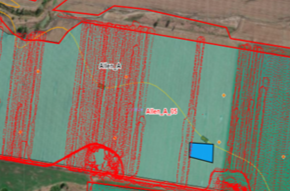
Once a site has been assessed and approved, biosolids must be transported and applied under a site-specific management plan.
This can involve:
mapping approved application and exclusion areas
protecting waterways, drainage lines and other sensitive areas
planning vehicle access and transport routes
confirming soil and weather conditions
applying biosolids evenly using purpose-built equipment
recording where and how much material has been applied
incorporating the material into the soil
observing relevant withholding periods
maintaining records for compliance and future nutrient planning.
Good operational management protects the landholder, neighbouring communities, the environment and the organisations supplying and managing the biosolids.
Biosolids are not appropriate everywhere
Biosolids can deliver significant soil and productivity benefits, but they are not automatically suitable for every property or paddock.
A site may be unsuitable if it has:
close proximity to waterways or residences
steep slopes or erosion risk
poor drainage or flood risk
existing nutrient concentrations in the soil that are incompatible with biosolids
unsuitable soil chemistry
land-use restrictions
market requirements
limited access or operational constraints.
Seasonal conditions also matter. Research has shown that nutrient additions can stimulate early plant growth, but under severe moisture limitation that additional growth may deplete available soil water and affect grain filling.
The objective is therefore not to apply biosolids wherever possible. It is to identify where biosolids can be used safely, responsibly and beneficially.
From waste product to soil resource
It is a fact that biosolids are produced whether they are beneficially reused or disposed of in landfill. The question then, is what do we do with them?
When suitable biosolids are carefully treated, tested and matched to an appropriate agricultural site, they can return valuable nutrients and organic matter to the soil, reduce reliance on manufactured inputs and support a more circular approach to managing resources.
But successful reuse depends on more than moving material from a wastewater treatment plant to a farm. It requires sound science, careful planning, transparent communication and a genuine understanding of the soil.
At BYV Organics, that is where every project begins.