
Healthy Soils Need More Than NPK: Understanding the true Value of Biosolids
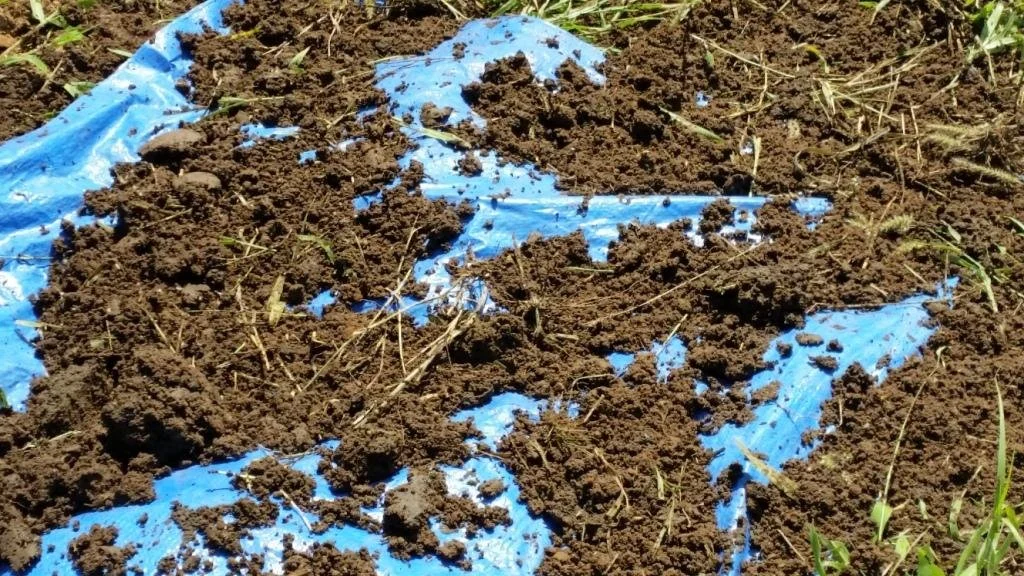
Healthy soilds need both nutrients and organic inputs to function well which a well designed biosolids program can provide.
When most people think about fertiliser, they think about three letters: N P K
Nitrogen. Phosphorus. Potassium.
These three nutrients are essential for plant growth and are printed on every fertiliser bag. But healthy soils are far more complex than three numbers.
Plants don't grow just because these three elements are present. They depend on a living soil system that stores water, cycles nutrients, supports billions of microorganisms and provides the physical structure roots need to thrive.
That's why, at BYV Organics, we don't begin by asking: "How much fertiliser does this paddock need?"
We begin with a different question: "What does this soil need to function better?"
Because productive agriculture starts with healthy soil.
Soil is More Than Something Plants Grow In
Soil is one of the most biologically active ecosystems on Earth.
A healthy soil performs several critical functions simultaneously:
It stores and supplies nutrients.
It captures and holds rainfall.
It allows roots to penetrate deeply.
It provides habitat for microorganisms that release nutrients and recycle organic matter.
It filters water before it enters groundwater and waterways.
It stores carbon and helps build long-term fertility.
When these functions begin to decline, productivity often follows.
Adding more fertiliser may temporarily increase plant growth, but it does not necessarily rebuild the physical, chemical and biological processes that support long-term soil function. In fact, where production systems rely primarily on mineral fertilisers and return little organic matter to the soil, soil structure, biological activity and other aspects of soil health can decline over time, and ultimately, increase the need for ongoing fertiliser inputs (see Edmeades, 2003).
Fertiliser Feeds Plants Now. Healthy Soils Feed Plants for Years.
Manufactured fertilisers are excellent at supplying nutrients that plants need today. But what they generally don't replace is the organic matter and carbon that are gradually removed from farming systems over time.
Healthy soils need both nutrients and organic inputs to continue functioning well. Fertilisers play an important role in Australian agriculture, but alone they cannot replace organic matter. Fertiliser cannot rebuild soil structure, increase biological activity, improve aggregation or water infiltration.
These are the jobs of healthy soil.
Much like fertiliser, biosolids contribute nutrients – including the all-important NPK - but in addition, they also return organic matter and organic carbon to the soil, helping restore healthy soil functions simultaneously. Organic matter improves soil structure, nutrient retention, water-holding capacity and biological activity, while the nutrients support plant growth.
This is why biosolids should not be viewed simply as a substitute for manufactured fertiliser. Biosolids are a soil amendment with fertiliser value.
Organic Matter: The Foundation of Soil Health

One of the greatest benefits of biosolids is their organic matter content.
Organic matter acts like the engine room of healthy soils. It helps bind soil particles into stable aggregate to create pore spaces that improve water infiltration, while allowing roots and oxygen to move through the soil.
Better soil structure also reduces the risk of compaction and surface crusting, and perhaps even more importantly, organic matter becomes food for soil biology.
As microorganisms break it down, nutrients are gradually released in forms plants can use while new stable organic compounds are formed that help build long-term fertility.
Healthy soils don't simply contain nutrients - they continually recycle them.
Organic Carbon Builds More Than Carbon Stocks
Carbon in agriculture has become closely associated with carbon farming. But long before carbon became a market, it was one of the foundations of productive agriculture.
Organic carbon provides energy for soil microorganisms that drive many of the natural processes that make nutrients available to plants. Higher organic carbon can also improve aggregate stability, increase water retention and support greater resilience during dry periods.
The benefits of organic carbon are practical - healthier soils often require fewer interventions because they are better able to retain water and cycle nutrients naturally.
Nutrients Beyond NPK
Nitrogen (N), phosphorus (P) and potassium (K) receive most of the attention. But crops also require sulphur, calcium, magnesium and a range of trace elements.
Each element performs a different role.
Sulphur is essential for protein formation and nitrogen use.
Calcium supports root development, cell walls and soil structure.
Magnesium sits at the centre of every chlorophyll molecule and is fundamental to photosynthesis.
Micronutrients such as zinc, copper, manganese and boron are required in much smaller quantities, but deficiencies can significantly limit crop performance.
Unlike many conventional fertilisers, biosolids provide a broad spectrum of these nutrients alongside organic matter and carbon, making them a valuable component of an integrated nutrient management program.
Every Soil Is Different
One of the biggest misconceptions in agriculture is that there is a single application rate suitable for every paddock.
We’re sorry to disappoint, but there isn't.
Every property has a different history - different fertiliser programs, different soil types, different rainfall, different crops, and different nutrient reserves.
Applying nutrients without understanding the existing soil condition is little more than educated guesswork. That's why every responsible biosolids program should begin with comprehensive soil sampling.
We Start With the Soil
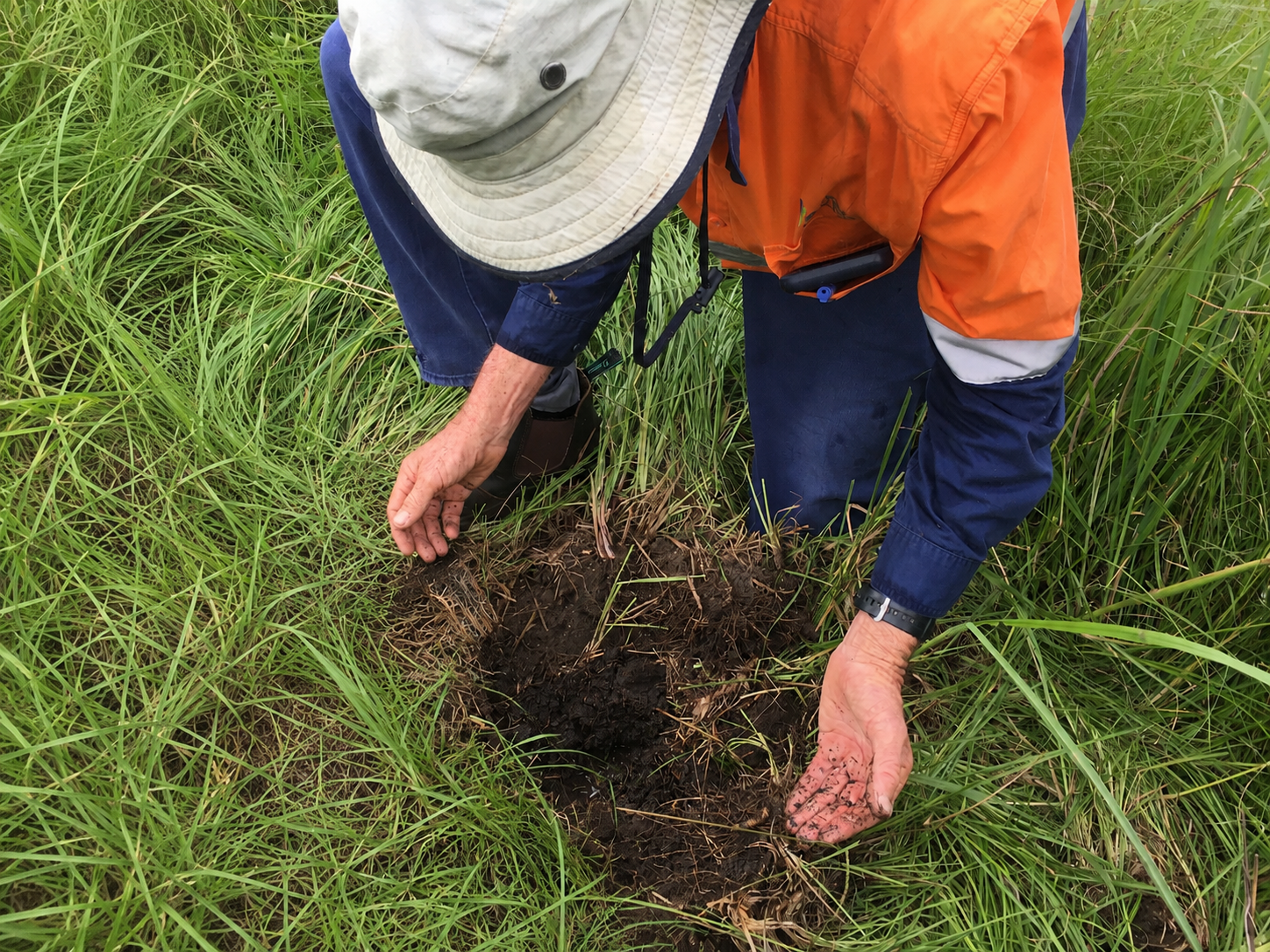
At BYV Organics, we don't begin by asking how many tonnes of biosolids can be applied. We begin by asking what the soil is telling us.
A detailed agronomic assessment considers:
existing nutrient levels
organic carbon
soil pH
soil texture and structure
crop or pasture requirements
nutrient deficiencies
previous management history
regulatory requirements.
Only then do we determine whether biosolids are appropriate, what additional nutrients may be required and what application rate will deliver the best agronomic outcome. Sometimes biosolids may provide most of the nutrients required, sometimes they may be best used alongside supplementary fertilisers to address specific deficiencies.
Good agronomy is never about maximising biosolids application. It is about matching nutrients to the needs of the soil and the production system.
Building Productive Soils for the Long Term
Healthy soils are built over years, not seasons. They depend on returning organic matter, recycling nutrients and supporting the biological processes that underpin productive agriculture.
That is why we see biosolids differently - not simply as a way to replace fertiliser, but as part of a broader soil improvement strategy that combines agronomy, nutrient stewardship and circular resource recovery.
Because the healthiest crops begin with the healthiest soils, and every successful biosolids program starts with understanding the soil beneath your feet first.