
Why Every Biosolids Project Should Start with Soil Sampling
We Start With the Soil.
Saying we start with the soil is a simple statement, but it captures an important difference in how BYV Organics approaches the beneficial reuse of biosolids.
Too often, conversations about biosolids begin with the material: where can it go, how much can be applied and how can it be transported and managed efficiently? We believe the better place to start is at the other end of the equation: what does the soil need?
That means understanding the soil, the farming system and the nutrients already available before deciding whether biosolids are appropriate and, if they are, how they should be used.
This is nutrient stewardship: treating biosolids not simply as a waste stream that needs a destination, but as a source of nutrients and organic matter that should be matched carefully to the needs of productive soils.
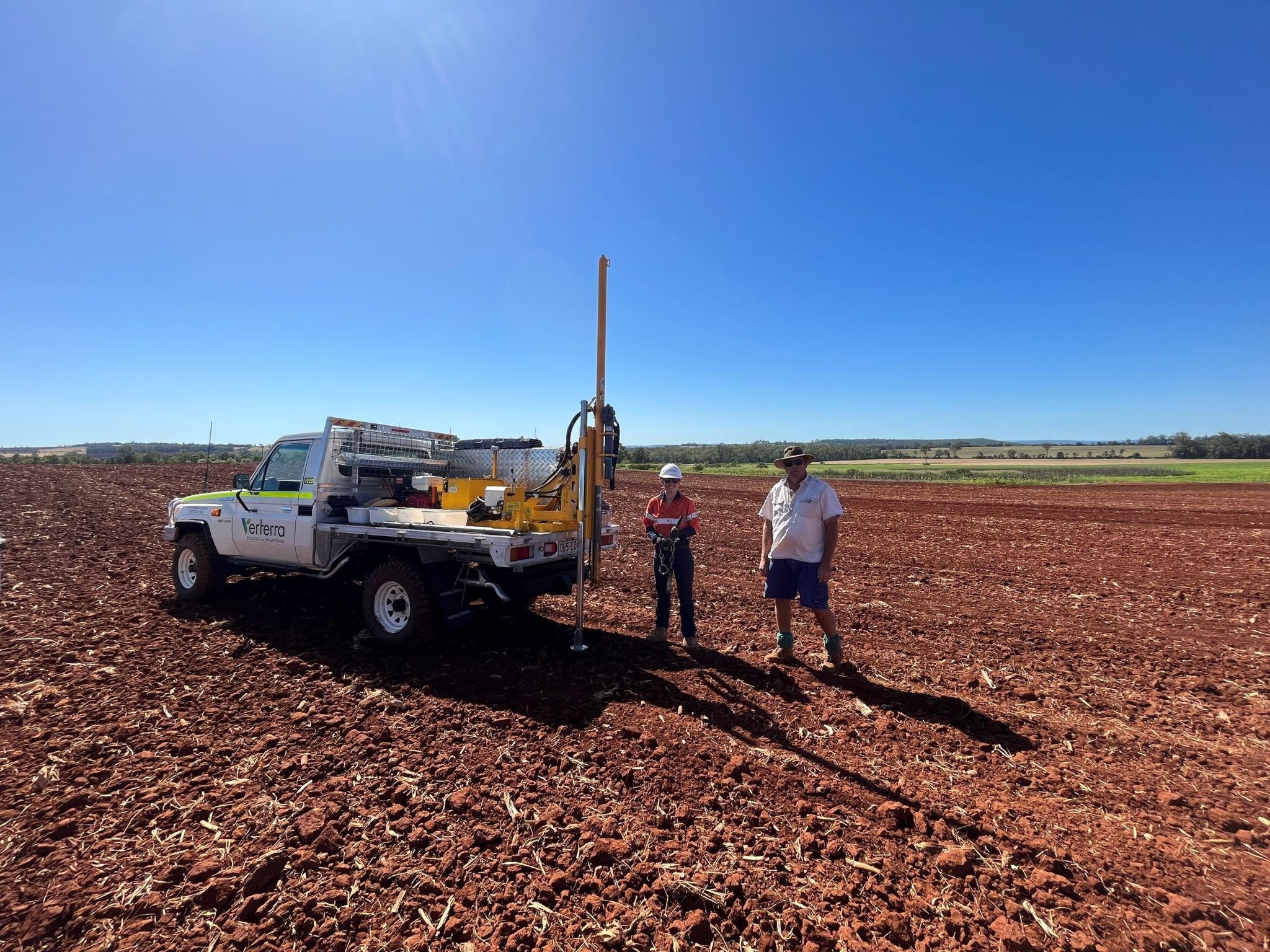
Soil sampling should be the foundation of any good biosolids project.
Agriculture is constantly moving nutrients
Every agricultural system has a nutrient budget.
When grain, hay, fibre, meat or other agricultural products leave a farm, nutrients leave with them. Nutrients can also be lost from productive soil systems through erosion, runoff and leaching. Over time, those losses must be replenished if soil fertility and productivity are to be maintained. In recent years, this is where fertilisers have covered the deficit.
Australia relies heavily on fertiliser inputs to support agricultural production. Yet at the same time, valuable nutrients exist in organic residuals generated elsewhere in our economy, including biosolids from wastewater treatment.
This creates an obvious circular economy opportunity: recover nutrients that would otherwise be treated as waste and return them to productive use. But good nutrient recycling is not simply about moving nutrients from one place to another.
Applying nutrients that a soil does not need can be inefficient and potentially create environmental risks. Likewise, looking only at nitrogen, phosphorus and potassium can miss other factors that determine whether plants can actually make effective use of those nutrients.
The goal should be to put the right resource in the right place, for the right agronomic reason.
That requires evidence. And for us, the evidence starts with the soil.
Soil sampling turns beneficial reuse into a soil solution
No two properties are exactly alike. Soil type, land-use history, climate, pasture or crop requirements and previous management all influence soil condition and nutrient requirements. That’s where soil sampling comes in. We use soil sampling to establish the baseline needed to understand those differences.
Depending on the property and intended land use, assessment can help identify factors such as nutrient status, pH, salinity and sodicity, organic carbon and other physical and chemical constraints affecting soil function. Laboratory results can then be interpreted alongside the landholder's production objectives and the characteristics of the biosolids available.
This changes the question from Can biosolids be applied here? to Can biosolids help address the needs of this soil and farming system, and what is the most appropriate way to use them?
That distinction matters.
A science-led assessment helps determine where biosolids can deliver genuine agronomic value, informs nutrient management and appropriate application rates, and identifies situations where a different intervention may be needed.
It also provides a baseline against which changes in soil condition and performance can be monitored over time.
Healthy soil is about more than adding nutrients
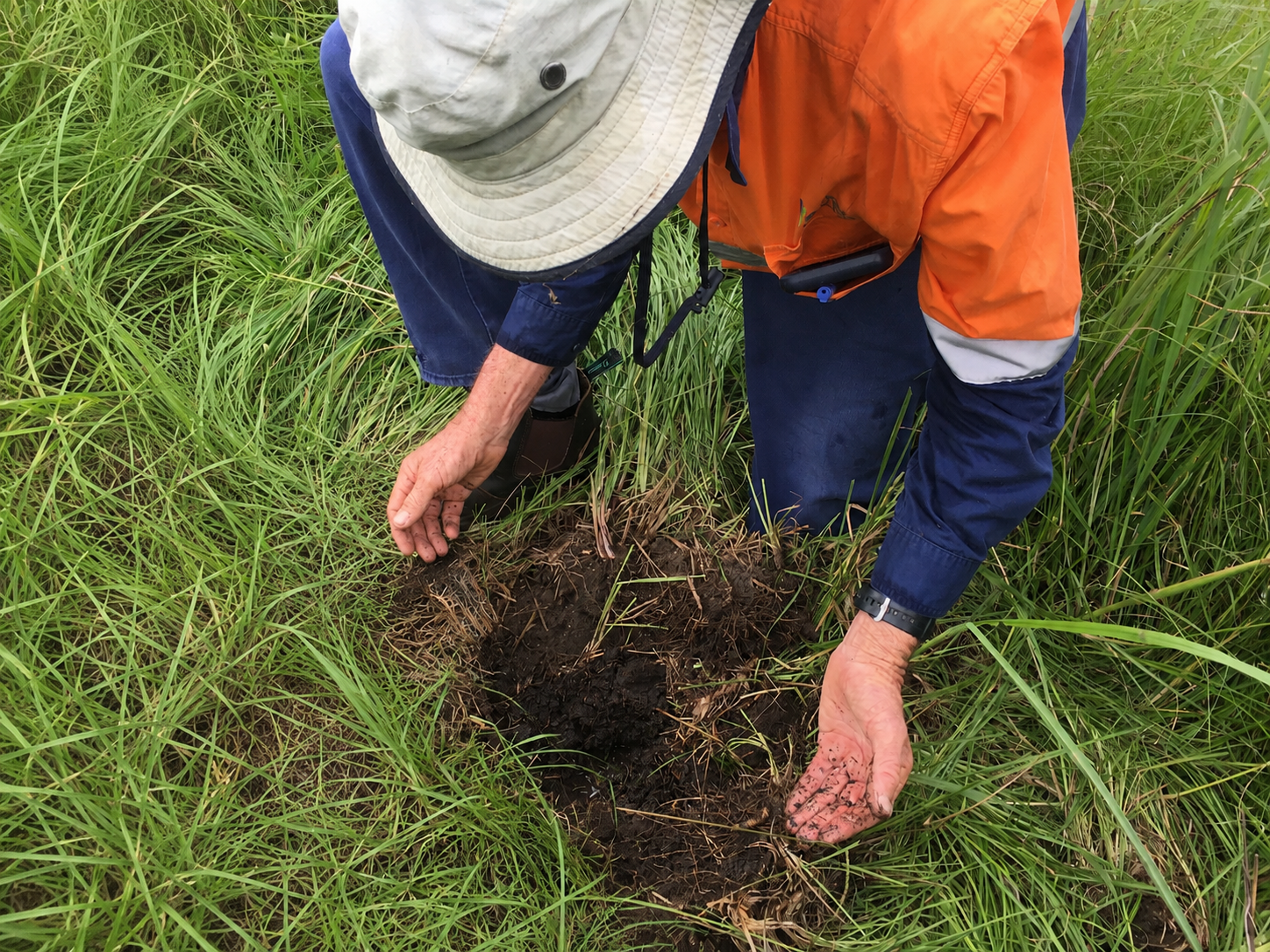
Nutrients are essential for soils to thrive, but soil performance depends on how the whole soil system functions.
Soils can contain nutrients and still perform poorly if other constraints limit plant access to them. Poor structure, salinity, sodicity, unsuitable pH, low organic matter or limited water-holding capacity can all influence productivity and nutrient-use efficiency.
This is why BYV's approach looks beyond biosolids as a fertiliser substitute.
Biosolids can contain valuable nutrients and organic matter, but their value depends on how well those characteristics match the receiving soil and the intended agricultural use. In the right circumstances, beneficial reuse can become part of a broader soil improvement strategy rather than a one-off nutrient application.
That is the principle behind our proposition: we start with the soil.
The science behind BYV Organics
BYV Organics is a joint venture between B&Y Services Group and Verterra Ecological Engineering, bringing together practical capability in biosolids management, transport and application with more than two decades of environmental, soil and land-management expertise.
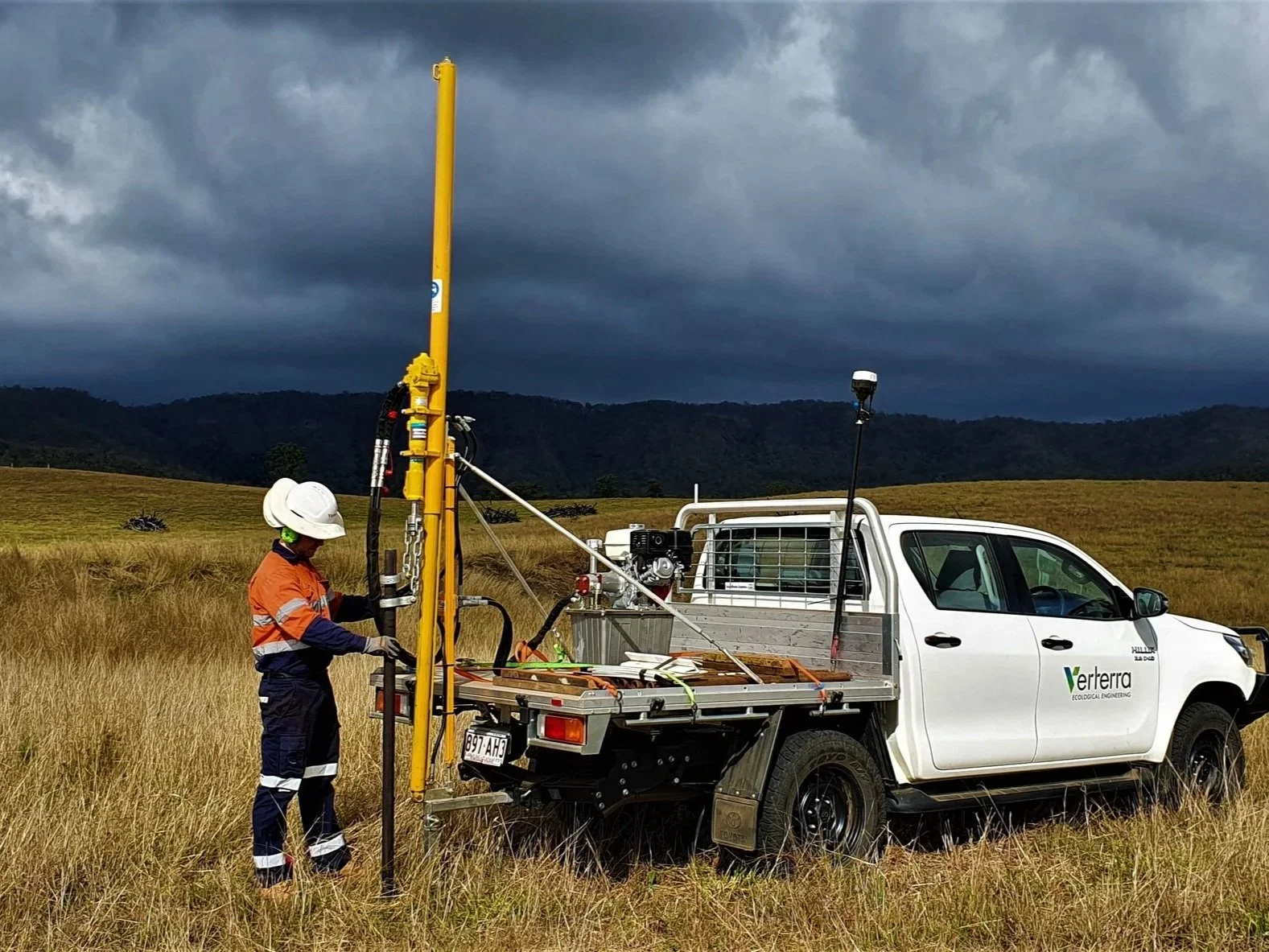
Verterra's contribution is particularly important to BYV's soil-first approach.
Through its advanced soil science capability, Verterra assesses the physical, chemical and biological properties of soils to identify constraints and develop targeted interventions. Its proprietary ReVive Soil Solution takes this further, using soil data to diagnose constraints and design tailored soil amelioration and growth-media solutions.
ReVive remains a Verterra solution, but the thinking behind it is highly relevant to BYV Organics: diagnose before you prescribe.
For BYV, that expertise helps underpin a more considered approach to beneficial reuse. We can look beyond finding a compliant outlet for biosolids and instead consider how recycled nutrients and organic matter can best contribute to the performance of the receiving soil and farming system.
It is the combination of science and practical delivery that makes the model work.
From waste management to nutrient stewardship
For utilities, responsible biosolids management requires safe, compliant and reliable beneficial reuse pathways. For farmers, the priority is different: any input needs to make sense for their soil, their production system and their business.
A successful beneficial reuse program needs to satisfy both, and starting with soil creates the bridge between them.
The process is straightforward:
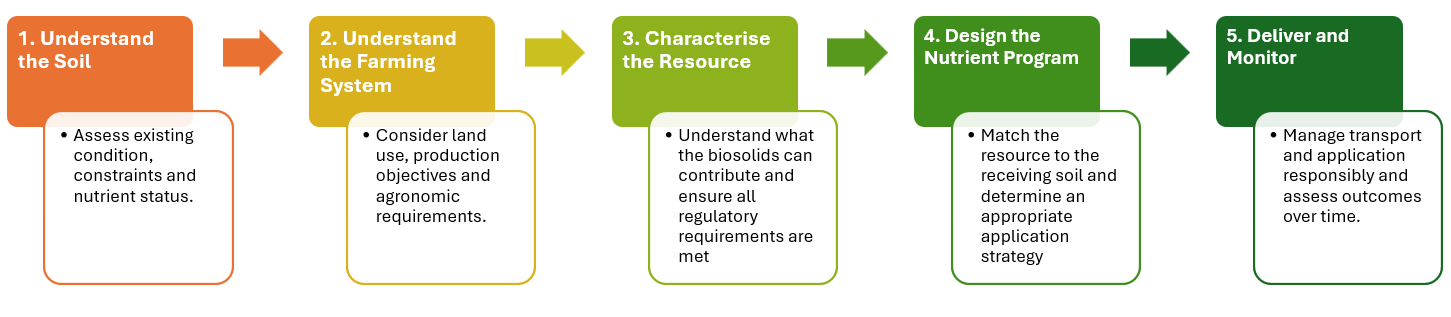
This is a more useful definition of beneficial reuse. The objective is not simply to divert a material from disposal. It is to return valuable resources to productive use in a way that improves outcomes for both agriculture and utilities.
Start with what your soil is telling you
There is enormous potential in recycling the nutrients already moving through Australia's economy. But circularity alone is not enough. Those nutrients need to be used intelligently.
For BYV Organics, that means beginning every conversation with the same question: What does the soil need?
Because the best biosolids program is not the one that applies the most material. It is the one that puts recycled nutrients to work where they can deliver the greatest value.
If you are interested in understanding whether biosolids could support the health and productivity of your soil, request a property assessment from BYV Organics.