
News & Insights
Learn more about biosolids including their treatment, usage and beneficial outcomes.
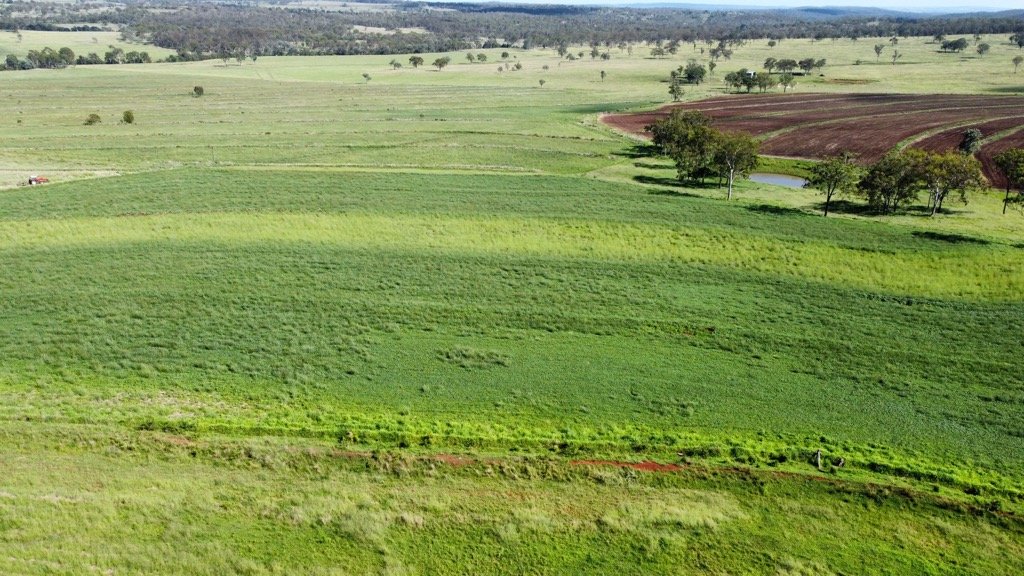
Circular agriculture: returning nutrients to the soil and value to farming systems
Regenerative agriculture is often associated with practices that aim to improve soil health, water cycles, biodiversity and landscape function. This may include maintaining groundcover, reducing soil disturbance, integrating livestock, increasing plant diversity and rebuilding soil organic matter.
There is no single definition or prescribed set of practices for regenerative agriculture, but these approaches share a common ambition: to improve the function of the farming system rather than focus solely on the next crop or production cycle.
Circular agriculture brings another important dimension to that ambition.
Healthy Soils Need More Than NPK: Understanding the true Value of Biosolids
When most people think about fertiliser, they think about three letters: N P K
Nitrogen. Phosphorus. Potassium.
These three nutrients are essential for plant growth and are printed on every fertiliser bag. But healthy soils are far more complex than three numbers.
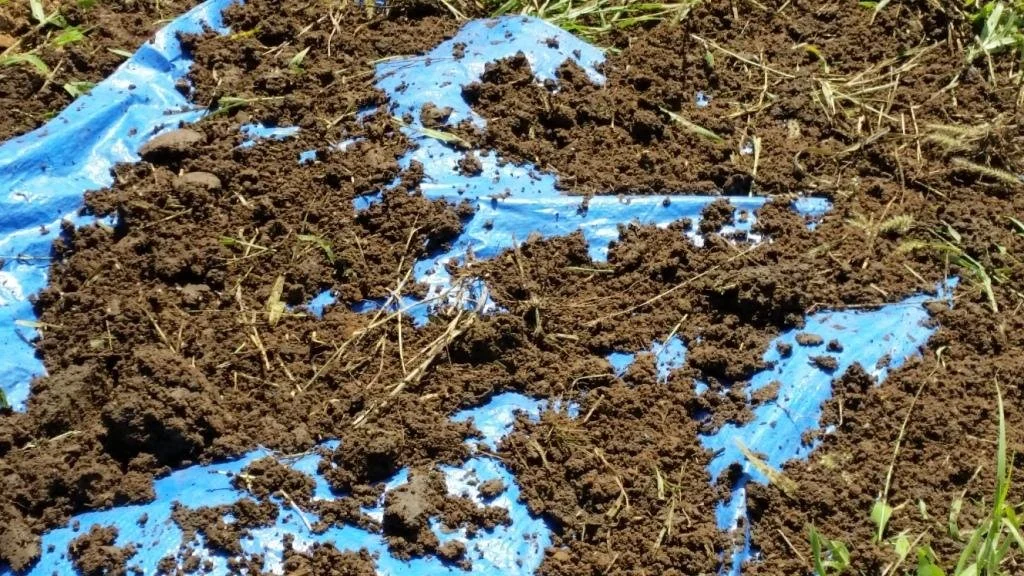
Plants don't grow just because these three elements are present. They depend on a living soil system that stores water, cycles nutrients, supports billions of microorganisms and provides the physical structure roots need to thrive.
That's why, at BYV Organics, we don't begin by asking: "How much fertiliser does this paddock need?"
We begin with a different question: "What does this soil need to function better?"
Because productive agriculture starts with healthy soil.
Biosolids in Agriculture: Separating the Facts from the Misconceptions
When people first hear that biosolids are used on agricultural land, it is natural for them to have questions.
What exactly are biosolids? Are they safe? What do they contain? Could they affect neighbouring properties, waterways or agricultural markets?